Horse racing isn’t just a sport; it’s a thrilling saga that gallops through centuries. From ancient chariot races in Greece to today’s high-stakes Kentucky Derby, the history of horse racing is packed with drama, passion, and a dash of scandal. Imagine horses in shiny silks strutting their stuff while bettors hold their breath, hoping for a win that could pay off their mortgage—or at least fund a weekend getaway.
Overview of Horse Racing
Horse racing boasts a lengthy and captivating history across various cultures. Ancient civilizations, including the Greeks and Romans, organized chariot racing events that captivated spectators. The sport’s evolution has transformed it into the diverse spectacle seen today, featuring flat racing, harness racing, and steeplechase.
Saudi Arabia, England, and the United States hold significant historical roles in the sport’s development. In the 16th century, King James I established the first organized race meeting in England. The realm of horse racing further expanded when thoroughbred breeding became prominent in the 18th century.
Betting practices are integral to horse racing, fostering excitement for spectators and participants alike. Wagering methods have evolved alongside the sport, ranging from informal bets among friends to sophisticated online platforms. This financial element contributes to horse racing’s popularity and allure.
Iconic events punctuate this history, with the Kentucky Derby and Royal Ascot standing out as premier races. These prestigious competitions attract elite horses and skillful jockeys, showcasing the pinnacle of equestrian excellence. Horses like Secretariat have etched their names in history through remarkable achievements on these renowned tracks.
Aside from thrilling races, various organizations oversee the sport’s governance and regulation. The Jockey Club and similar bodies play crucial roles in maintaining standards and ensuring fair competition. Their efforts safeguard the integrity of the sport, promoting transparency and accountability.
Horse racing’s rich history reflects cultural significance, evolving practices, and thrilling events that capture the imaginations of many. Its ongoing allure continues to pull in fans, ensuring the sport remains a vital part of equestrian tradition.
Ancient Beginnings
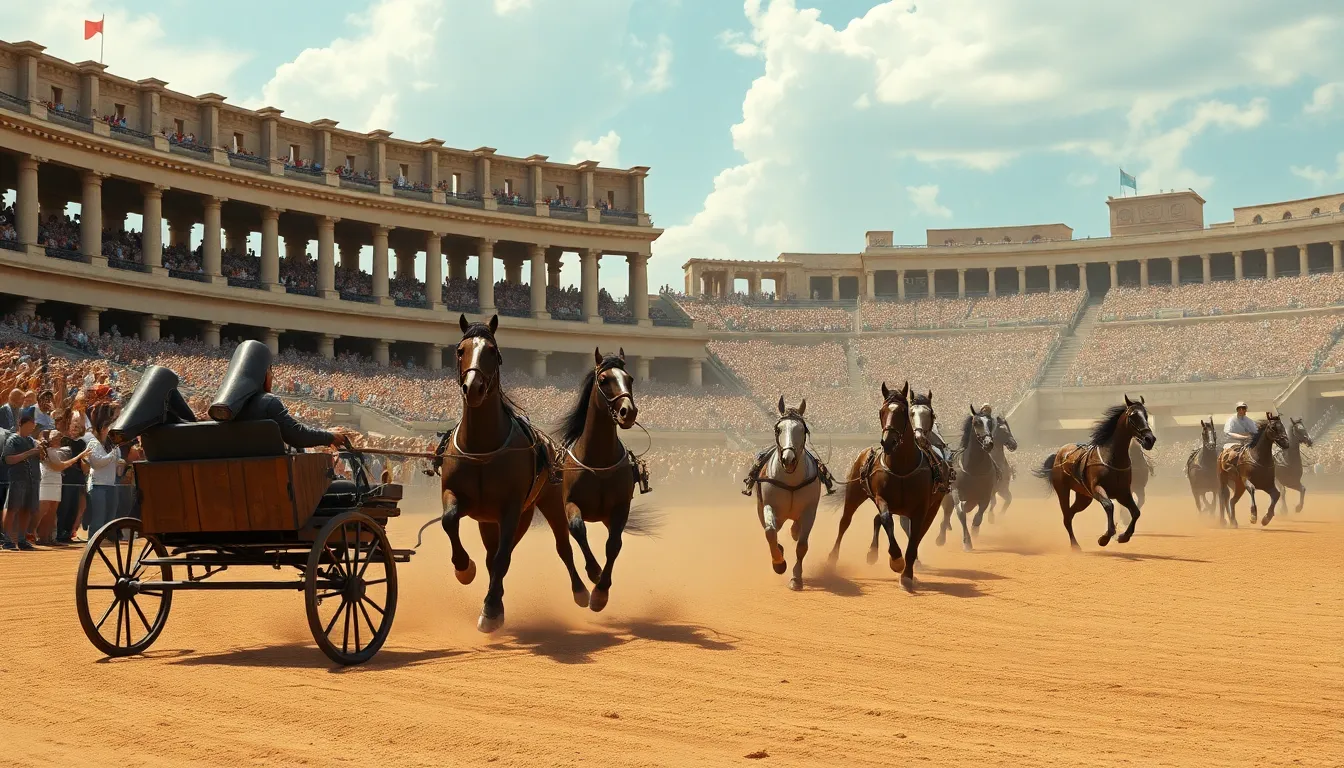
Horse racing has roots that trace back to ancient civilizations, highlighting early human fascination with speed and competition.
Early Races in Ancient Civilizations
Early races emerged in various ancient cultures, showcasing the excitement of horse-driven competitions. Evidence from archaeological sites indicates that Mesopotamians engaged in races around 4000 BC. Similarly, Egyptians depicted chariot races in artwork, demonstrating their significance in society. Chariot racing became a spectacle in many cultures, often intertwined with religious ceremonies and festivals.
Horse Racing in Ancient Greece and Rome
Horse racing gained prominence in ancient Greece and Rome, laying a foundation for the sport’s evolution. The Greeks celebrated the Olympic Games starting in 776 BC, featuring equestrian events that attracted large crowds. Romans, inspired by these events, established the Circus Maximus, capable of hosting thousands of spectators. Events like the Roman quadriga races became events of great public interest, often involving intense competition and skilled jockeys.
Evolution Through the Ages
Horse racing has transformed significantly through various historical periods, reflecting changes in culture and society.
The Middle Ages and Jousting
In the Middle Ages, horse racing intersected with jousting, a popular spectacle among nobility. Jousting tournaments showcased equestrian skills alongside speed, drawing large crowds to arenas. Knights competed not just for honor but also for lucrative prizes. These events helped elevate the status of horses and jockeys, creating a foundational culture of competition. During this time, various breeds arose, each prized for speed, agility, and strength. As jousting began to wane, racing retained its appeal, ensuring the equine sport transitioned smoothly into the Renaissance.
The Birth of Thoroughbred Racing
The 17th century marked the birth of thoroughbred racing, significantly shaping modern horse racing dynamics. British breeders selectively cultivated speed-oriented horses, leading to the creation of the thoroughbred lineage. Key races took place at Newmarket, establishing a competitive landscape and attracting elite participants. The introduction of standardized rules and regulations enhanced the sport’s structure. Additionally, the establishment of The Jockey Club in 1750 further standardized practices in thoroughbred racing. These developments set the stage for horse racing’s global expansion, fostering a deeper connection between the sport and its growing fan base.
Major Milestones in Horse Racing History
Horse racing has seen significant milestones that shaped its development. Key events contributed to the sport’s evolution, establishing its prominence worldwide.
The Establishment of Racing Rules
Standardized rules emerged in the 1750s, prompted by the need for regulation in competitions. The Jockey Club, formed in 1750, aimed to organize races and ensure fair play. These rules addressed horse eligibility and race conduct, creating a uniform framework that fostered trust among participants. The implementation of formal regulations paved the way for thoroughbred racing to gain legitimacy. Modern racing regulations stem from these historical foundations, maintaining integrity and fairness within the sport.
The Formation of Prestigious Races
Prestigious races have anchored horse racing’s legacy. The first official horse race in the United States occurred in 1665, creating a foundation for major events. Iconic competitions, such as the Kentucky Derby, initiated in 1875, showcased elite thoroughbreds and provided thrilling spectator experiences. Royal Ascot, established in 1711, became synonymous with elegance and tradition. Each race not only celebrates speed but also honors the rich history and culture surrounding horse racing. These prestigious races continue to attract massive crowds and promote the sport globally.
The Impact of Technology and Innovation
Technology and innovation have transformed horse racing into a more precise and engaging sport. Modern techniques in breeding and timing reflect significant advancements.
Advances in Horse Breeding
Thoroughbred breeding now utilizes genetic analysis, enhancing speed and stamina. Contemporary breeders analyze lineage and health data to select optimal pairings. Successful examples include horses from elite bloodlines, contributing to their dominance on the racetrack. Genetic testing has improved overall racehorse quality, leading to stronger competitors. Breeders employ artificial insemination and embryo transfer, expanding breeding options and diminishing logistical constraints.
The Role of Gambling and Betting
Gambling and betting are integral to horse racing, with technology enhancing the experience. Bettors now access online platforms for real-time wagers, improving participation rates. Digital tools provide insights into horse performance and statistics, aiding informed decisions. Mobile apps foster greater engagement among fans, allowing instant betting during live races. Regulatory bodies oversee these platforms, ensuring transparency and fairness in transactions. Traditional betting has evolved into diverse options, creating a richer environment for racegoers.
Cultural Significance of Horse Racing
Horse racing holds deep cultural significance across various societies. The sport has influenced art and literature, often symbolizing power, wealth, and freedom.
Horse Racing in Literature and Art
Horse racing frequently appears in literature and art, showcasing its importance in both fields. Renowned authors like William Shakespeare incorporated racing into their narratives, reflecting the sport’s societal status. Various paintings and sculptures have depicted dynamic racing scenes, capturing the excitement and energy of the events. These artistic expressions highlight horse racing’s role in shaping cultural identity and celebrating human-animal partnerships.
Global Variations in Horse Racing Traditions
Global traditions of horse racing vary widely, reflecting regional customs and histories. In the Middle East, the Arabian horse racing tradition emphasizes speed and endurance, showcasing a deep-rooted passion for equestrian sports. In Japan, unique events like the Yushun Himba integrate traditional ceremonies with modern racing practices. Additionally, countries such as Australia boast significant racing events like the Melbourne Cup, which garners national attention and celebrates local heritage. These variations illustrate the universal appeal of horse racing, connecting cultures through a shared love of the sport.
Conclusion
Horse racing’s journey through time showcases its enduring appeal and cultural significance. From ancient chariot races to today’s prestigious events like the Kentucky Derby, the sport has evolved while maintaining its core excitement. The blend of tradition and modern innovation keeps fans engaged and betting practices thriving.
As horse racing continues to adapt to changing technologies and societal interests, it remains a vital part of equestrian tradition. Its rich history not only reflects the passion for speed and competition but also illustrates how it connects diverse cultures across the globe. The legacy of horse racing is sure to inspire future generations of enthusiasts and participants alike.